

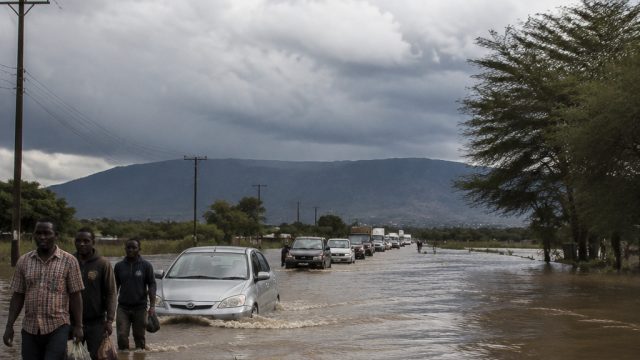
Recent months have seen relentless rainfall inundating Lake Naivasha in Kenya's Great Rift Valley, a region vital to the global flower trade. This environmental shift not only affects the local ecosystem but also poses serious threats to the livelihoods of those dependent on this crucial economic hub. Understanding the dynamics at play is vital, especially as we navigate these unprecedented changes.
Lake Naivasha, a freshwater lake known for its rich biodiversity and robust agricultural activities, is currently facing an alarming increase in water levels. This rise threatens not only the natural habitat but also the extensive flower farms that have made the region a significant player in the international market. The frequent and heavy rains have led to flooding, which disrupts daily operations and raises concerns about long-term sustainability.
The overflow of Lake Naivasha is transforming the landscape drastically. Flood waters are not only submerging farmland but also affecting local wildlife habitats. The ecological balance that has been maintained for years is now at risk, which could lead to potential loss of species and biodiversity.
The economic implications of flooding at Lake Naivasha are profound. The flower farms, which supply a significant portion of the flowers to Europe and beyond, are facing interruptions in production. Some farmers have reported losses due to flooded fields, impacting their income and, by extension, the global flower trade. This situation raises critical questions about the resilience of agricultural practices in the face of climate change.
The crisis at Lake Naivasha serves as a compelling reminder of the broader impacts of climate change. As one of the key regions in the global flower industry, disruptions here can lead to scarcity and price hikes across markets worldwide. Florists and consumers alike may soon feel the effects if the situation does not stabilize. Understanding the urgency can drive advocacy for sustainable practices and better climate adaptation strategies.
Local communities are rallying to address the challenges posed by rising waters. Stakeholders, including farmers and environmentalists, are discussing adaptation measures to cope with changing conditions. Here are some strategies being considered:
The flooding at Lake Naivasha is not merely a local concern; it is a bellwether for global agricultural sustainability in the face of climate change. As stakeholders in the flower trade and environmental conservation alike recognize the urgency of this situation, it becomes clear that collaborative efforts are essential. By investing in innovative solutions and sustainable practices, there is hope to mitigate the impacts of such environmental shifts and ensure the vitality of this critical economic region.
For anyone involved in or affected by the flower trade, staying informed about the evolving situation at Lake Naivasha is crucial. It is essential to support initiatives aimed at fostering resilience and to advocate for sustainable practices that can weather the storms of climate change.