

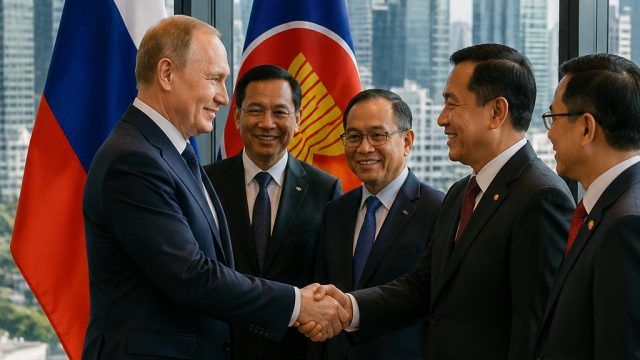
In the context of a rapidly evolving global energy landscape, Russia is making substantial advancements in its energy partnerships with Southeast Asia. This shift is pivotal, as countries in this region increasingly seek reliable energy sources to sustain their economic growth. With Russia's vast natural resources, this alliance is not just strategic; it is essential for both sides as they navigate the complexities of global energy demands.
Energy has long been a cornerstone of Russia's foreign policy, and its approach to Southeast Asia is no different. The region, rich in potential energy markets, has become a prime target for Russian investments and partnerships. As nations like Vietnam, Thailand, and Indonesia look to diversify their energy supplies, Russia's offer of natural gas and oil becomes increasingly attractive.
Southeast Asia's rapid economic growth has led to a surge in energy demand. According to recent data, energy consumption in the region is expected to rise significantly in the coming years, driven by industrial expansion and urbanization. As countries strive to meet this demand, they are actively seeking new energy partnerships.
To facilitate these burgeoning relationships, Russia is investing heavily in infrastructure projects within Southeast Asia. This includes not only pipelines but also refineries and distribution networks that would enhance energy accessibility throughout the region. Such investments not only promise to strengthen ties but also provide Russia with significant leverage in geopolitical discussions.
The burgeoning energy partnership between Russia and Southeast Asia signals a shift in global energy dynamics. As traditional powers in the energy sector face challenges, the growing influence of non-OECD countries becomes increasingly significant. Russia’s focus on this region is a strategic move to expand its market share globally.
Russia's entry into the Southeast Asian energy market introduces new competition, challenging existing suppliers. Countries such as the United States, Australia, and various Middle Eastern nations must reassess their strategies to retain influence in this vital region. The race for energy contracts and partnerships has intensified, leading to a more dynamic and competitive landscape.
This energy shift not only impacts international relations but also opens numerous avenues for local businesses within Southeast Asia. Companies can capitalize on this influx of investment by exploring partnerships and contracts that align with the growing energy infrastructure. Moreover, sectors such as technology, logistics, and services stand to benefit from the increased activity surrounding energy projects.
As Russia continues to solidify its energy foothold in Southeast Asia, the implications are profound, affecting everything from local economies to global energy strategies. The region's energy landscape is undergoing a transformation that demands attention from all stakeholders. For businesses and governments alike, understanding these dynamics will be crucial for leveraging potential opportunities and navigating the challenges of an evolving energy future.