

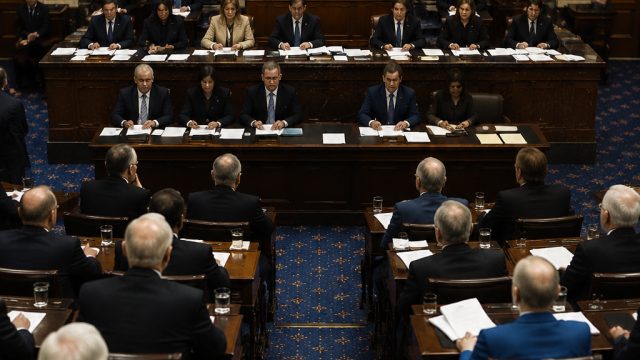
In a rare display of bipartisan unity, the United States Senate made a historic decision this week by voting 50 to 48 in favor of a resolution that directs President Donald Trump to withdraw military forces from the ongoing conflict in Iran. This decisive action not only highlights rising tensions regarding the use of military force but also underscores the growing discontent among lawmakers about the administration's foreign policy strategies.
The resolution was introduced amid increasing pressure from constituents and advocacy groups calling for a reevaluation of the United States' role in Middle Eastern conflicts. Four Republican senators—Rand Paul, Susan Collins, Lisa Murkowski, and Mike Lee—joined their Democratic colleagues to support the motion, signaling a potential shift in the political landscape concerning military engagement.
Reactions to the Senate's decision have been mixed, with some praising the measure as a necessary check on executive power, while others express concern about the implications for national security.
Proponents of the resolution argue that the administration needs to be held accountable for military actions that do not have clear objectives or congressional approval. Senator Paul stated, “It is crucial that Congress reclaim its duty to decide when we go to war.”
Opponents warn that withdrawing forces too swiftly could embolden adversaries in the region. Senator Mitch McConnell cautioned that “retreating without a plan could jeopardize the safety of our allies and leave a power vacuum that could be filled by hostile entities.”
This pivotal vote could reshape the future of U.S. foreign policy, especially in the Middle East. Experts suggest that it might pave the way for a more restrained approach to military interventions.
The Senate's recent decision to direct the withdrawal of U.S. forces from the conflict with Iran represents a significant moment in American political history. As lawmakers navigate the complexities of military engagement and foreign policy, this vote may serve as a catalyst for deeper discussions about the role of the United States on the global stage. Moving forward, it will be essential for Congress and the administration to work together to ensure that military actions reflect the will of the American people and align with the nation’s long-term strategic interests.