

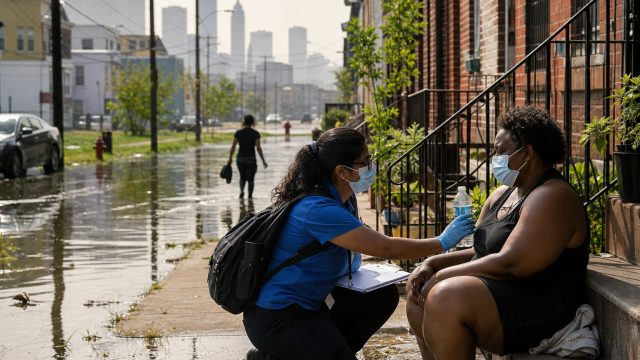
As global temperatures continue to rise, the implications of climate change extend far beyond environmental concerns; they significantly affect public health systems worldwide. Recent studies highlight an alarming trend: the incidence of waterborne diseases, particularly Cryptosporidium, is expected to fluctuate dramatically as climate patterns evolve. Understanding this phenomenon is crucial for mitigating risks and enhancing community health strategies.
The relationship between climate and health is complex and multifaceted. According to health experts, the changing climate is likely to cause variations in water quality that could lead to increased rates of infections such as Cryptosporidiosis, particularly in vulnerable populations.
In certain areas, particularly where infrastructure is weak, heavy rainfall can overwhelm sewage systems, leading to contaminated water supplies. Regions that struggle with resource management will likely see a spike in infections:
Conversely, in some regions, climate change may result in a decline in waterborne illness rates:
Cryptosporidium is a microscopic parasite that causes cryptosporidiosis, a diarrheal disease that can be severe in children and immunocompromised individuals. Understanding its transmission is essential in combating outbreaks:
The projected changes in disease patterns necessitate a proactive approach to public health. Here are several strategies that can be adopted:
As the effects of climate change unfold, the intricate link between our environment and public health becomes increasingly evident. Preparing for these shifts is not just about understanding disease transmission; it is about forging resilient communities capable of adapting to new health challenges. Public health officials, policymakers, and communities must work collaboratively to implement the necessary changes that can mitigate the impact of climate change on waterborne diseases like Cryptosporidium.
By investing in research and infrastructure, and prioritizing community education, we can reduce the risks associated with these emerging health threats and ensure a healthier future for all.