

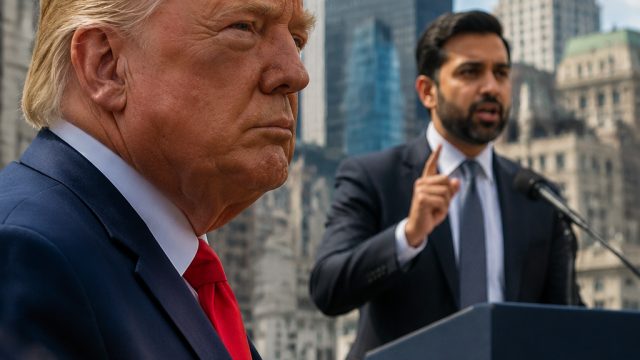
The political landscape in New York City is experiencing a significant transformation, one that could potentially reshape the influence of prominent figures like Donald Trump. In recent weeks, NYC Mayor Zohran Mamdani made a bold move by endorsing three progressive candidates in the city's primaries: Claire Valdez, Darializa Avila Chevalier, and Brad Lander. This strategic decision not only defied the traditional Democratic establishment but also yielded unexpected victories for each candidate, raising questions about the future of the Democratic Party and Trump's standing in NYC.
The endorsement of Valdez, Avila Chevalier, and Lander marks a pivotal moment for progressive politics in New York. Their win signifies a shift away from establishment figures, reflecting a growing desire among voters for change and accountability. This trend could signify a declining influence for former President Trump, particularly as he looks to maintain his foothold in a city that has historically leaned Democratic.
Polling data indicates that voter sentiment in NYC is increasingly leaning towards progressive initiatives. This shift can be attributed to various factors, including social movements, economic challenges, and a desire for leaders who resonate with contemporary values. Trump's traditional base in the city may find it difficult to navigate these new dynamics.
Mayor Mamdani's endorsements were not merely symbolic; they were calculated moves aimed at rejuvenating the Democratic base while pushing for policies that address the needs of the community. His approach has resonated with many constituents, creating a model for future political engagement.
By supporting candidates who prioritize community issues, Mamdani is fostering an environment ripe for innovation. This could lead to a political renaissance in the city, contrasting sharply with Trump's often polarizing strategies. Voters are now more likely to support candidates who not only promise change but actively demonstrate commitment to their constituents.
The unexpected success of progressive candidates in NYC has potential ramifications for Trump as he prepares for future electoral contests. With a significant portion of the electorate shifting towards progressive ideals, Trump's ability to mobilize support in the city could face considerable challenges. The electorate may increasingly favor candidates who prioritize grassroots engagement over celebrity status.
The rise of candidates like Valdez, Avila Chevalier, and Lander suggests that voters are looking for authenticity and genuine representation. As Trump's influence wanes in urban areas, he may need to reevaluate his strategies to maintain relevance in a city that is rapidly evolving politically.
The recent primary outcomes in New York City are indicative of a broader shift in American politics, where traditional allegiances are being challenged by emerging progressive voices. For Donald Trump, navigating this new landscape will require agility and a recalibration of his messaging. As NYC embraces this change, the implications for national politics and Trump's legacy are profound. The coming months will be critical to see if these trends continue or if Trump can adapt to regain a foothold among New Yorkers.