

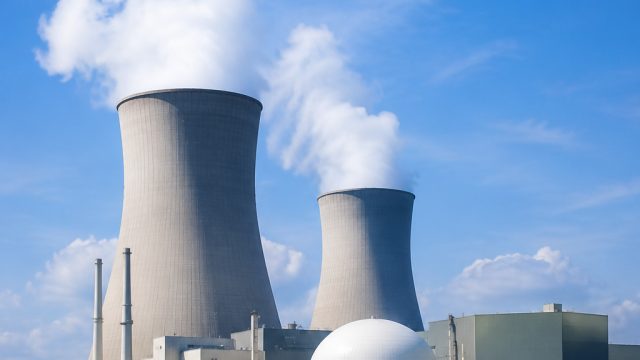
In a pivotal moment for the energy sector, the Department of Energy (DOE) has recently unveiled a substantial $17.5 billion loan program designed to accelerate the deployment of large-scale commercial nuclear reactors. This initiative is set to play a crucial role in the U.S. energy landscape, especially in the context of urgent climate change challenges and the pressing need for sustainable energy solutions.
With rising energy demands and a commitment to reducing carbon emissions, the DOE's new program aims to hasten the development of ten major nuclear reactors. This acceleration could result in shortening project timelines by as much as three years, significantly impacting the energy output and sustainability of nuclear power in America.
Nuclear energy represents a vital component of the transition to cleaner energy sources. Here’s why this initiative matters now:
The loan initiative is structured to support the construction of new reactors and the upgrade of existing facilities. The DOE aims to facilitate access to funding for developers who are committed to innovative technologies that enhance safety and efficiency in nuclear energy production. Key features of the program include:
Despite the promising outlook, several challenges remain in the path towards a robust nuclear energy future:
The DOE's new loan program is a bold step towards revitalizing the nuclear energy sector in the United States. By injecting $17.5 billion into this critical area, the government aims to foster innovation, job creation, and a sustainable energy future. As the world grapples with climate change and the need for renewable energy sources, the emphasis on nuclear power becomes more pertinent than ever.
As developments unfold, stakeholders from energy companies to policymakers will need to collaborate effectively to overcome challenges and maximize the potential of this significant investment. The future of energy in America may very well depend on the success of these ambitious nuclear projects.