

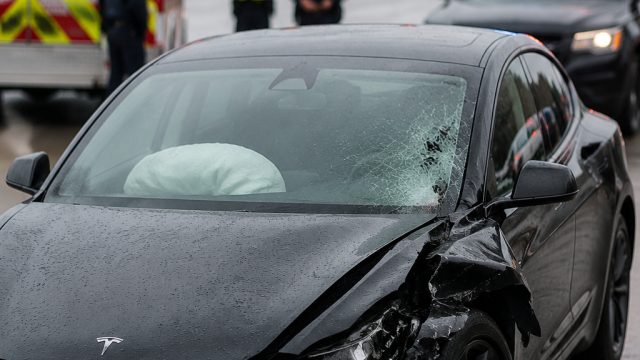
In a tragic turn of events, a recent accident involving a Tesla vehicle has sparked serious concerns regarding the safety and reliability of autonomous driving technology. As investigations unfold, Tesla has acknowledged that its Full Self-Driving (FSD) feature was active during a fatal crash that resulted in the death of a 76-year-old woman in Texas. The situation raises pressing questions about the accountability of both the vehicle manufacturer and the driver in incidents involving advanced driver-assistance systems.
The tragedy occurred when a Tesla Model 3 crashed into a residence, leading to a catastrophic failure that claimed the life of an elderly woman. According to reports, the vehicle was operating on FSD, which has been a topic of heated debate in the realm of automotive safety. Tesla, in its defense, stated that the driver had overridden the system's controls, effectively blaming human error for the incident.
FSD is designed to facilitate a range of autonomous driving tasks, but it is not without its shortcomings. Tesla's technology relies heavily on driver supervision, which means that users must remain alert and ready to take control at any moment. This incident has reignited discussions about whether customers fully understand the limitations of such systems.
Following the crash, the National Highway Traffic Safety Administration (NHTSA) announced a formal investigation into Tesla's FSD technology. This investigation aims to assess the safety protocols surrounding the use of such advanced systems and their potential risks to both drivers and pedestrians. The scrutiny comes as part of a broader examination of autonomous vehicle regulations and the balance between innovation and safety.
This incident marks a critical juncture for the future of autonomous driving. As companies continue to innovate, the need for robust safety measures and clear communication regarding the capabilities of such technology has never been more crucial. With public trust being a significant factor in the adoption of autonomous vehicles, how companies respond to such incidents will impact consumer confidence moving forward.
While technology plays an essential role in modern vehicles, driver responsibility remains paramount. The Tesla crash serves as a reminder that even with advanced driver-assistance systems, the onus is on the driver to remain engaged and make safe driving decisions. As autonomous technology evolves, so too must the guidelines surrounding its use.
The unfortunate crash in Texas is a wake-up call for both automakers and consumers regarding the complexities of autonomous driving technology. As Tesla faces ongoing scrutiny, it’s evident that the industry must prioritize safety and transparency. Moving forward, it’s essential to establish clear guidelines, enhance driver education, and ensure rigorous testing of all autonomous features to prevent future tragedies. The balance between innovation and safety is delicate, but it is a necessary pursuit for the future of transportation.