

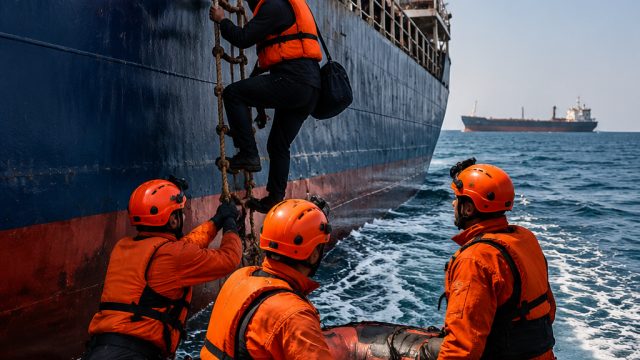
The international maritime landscape is facing a critical moment as the United Nations announces a coordinated plan to evacuate hundreds of vessels trapped in the Persian Gulf. This initiative comes in the wake of a peace agreement brokered between the United States and Iran that has temporarily ceased hostilities in the region. The UN maritime agency reported that approximately 11,000 sailors are currently stranded, and the evacuation is expected to significantly enhance maritime safety and operational efficiency.
The Persian Gulf has been a hotspot for geopolitical tensions, with shipping routes frequently threatened by conflicts. Recent clashes between military forces have left many vessels unable to navigate the critical Strait of Hormuz, a vital corridor for global oil and gas shipments. The UN's intervention aims not only to ensure the safe passage of these ships but also to stabilize the region's maritime operations.
Among the stranded vessels are cargo ships, tankers, and fishing boats, each with unique challenges. The evacuation process will require careful coordination to manage the differing sizes and natures of these ships. The UN has already begun contacting ship captains to inform them of the evacuation procedures and timelines.
While the plan is in motion, various obstacles still loom. These include:
The ramifications of this situation extend far beyond the Persian Gulf. A successful evacuation could lead to:
For shipping companies and stakeholders, this situation highlights the importance of flexible operational strategies. Having contingency plans in place for such geopolitical events can mitigate risks and ensure continuity in operations. Additionally, the situation emphasizes the need for robust communication channels and real-time updates for crews at sea.
The UN's evacuation plan is a pivotal response to the ongoing challenges faced by maritime operations in the Persian Gulf. As the situation progresses, updates will be crucial for stakeholders in the shipping industry. Ensuring sailor safety and maintaining trade routes are of utmost importance not only for regional stability but also for the global economy. The actions taken now may redefine maritime safety protocols and international cooperation in the years to come.