
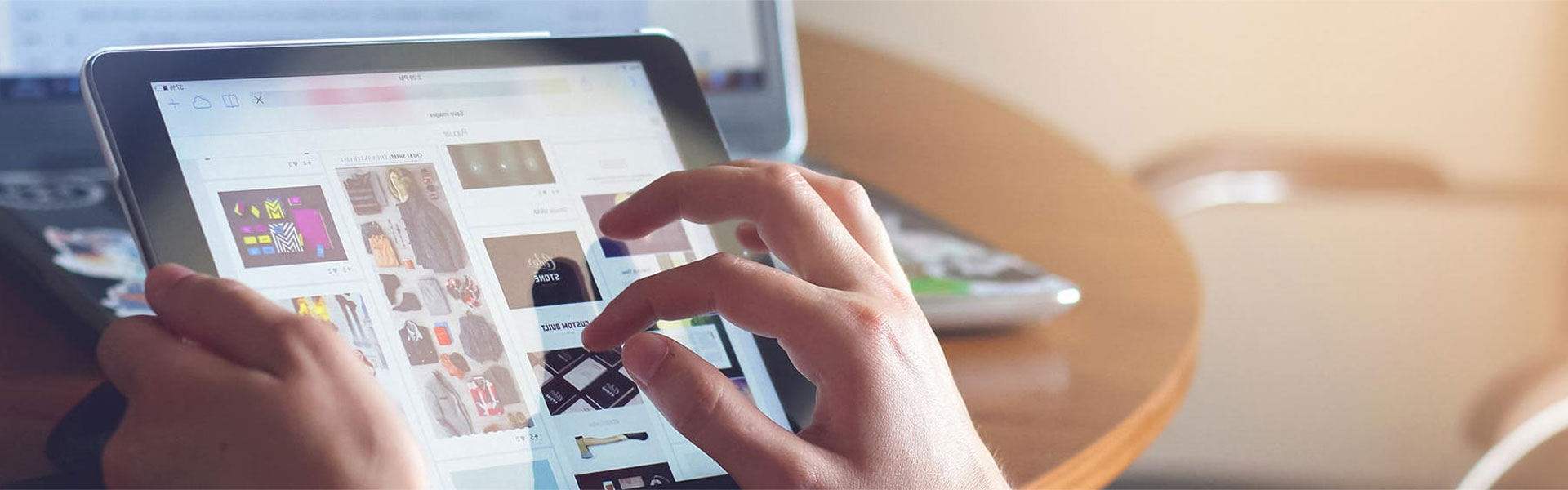
In the fast-paced world of digital marketing, web design has become a critical factor in establishing a brand's online presence. As we move further into the digital age, the aesthetics of a website can make or break a business. This article explores the latest trends in web design and how they are revolutionizing the digital landscape.
Modern web design is characterized by its evolving aesthetics, influenced by technological advancements and changing user expectations. Key trends include:
Minimalistic design focuses on simplicity, utilizing space effectively to create a clean interface. This trend enhances user engagement by reducing distractions, allowing visitors to focus on essential content.
With the rise of mobile browsing, responsive design has become indispensable. Websites must adapt seamlessly to different screen sizes, ensuring an optimal viewing experience across devices.
Dark mode is gaining popularity as an aesthetic choice and for its potential health benefits. This design choice improves readability in low-light environments while giving a modern look.
Beyond aesthetics, web design plays a crucial role in enhancing user experience. Elements like navigation, load times, and interactivity can significantly affect user behavior.
A well-structured navigation system is essential. Users should easily find what they need without frustration.
Research indicates that load times directly impact user retention. Websites that load quickly keep users engaged and reduce bounce rates.
The future of web design lies in blending aesthetics with functionality. By keeping up with these trends, businesses can create a compelling online presence that resonates with their target audience.