

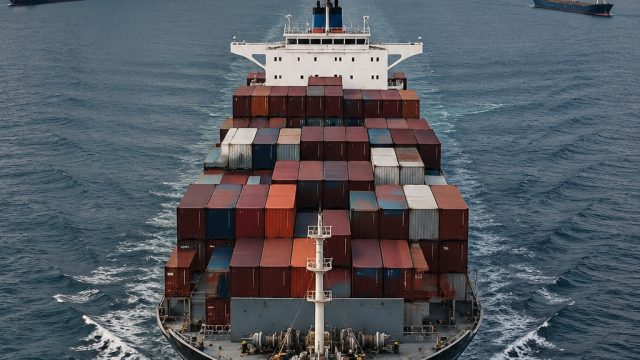
Recent developments in the Strait of Hormuz have led to a noticeable upturn in commercial maritime traffic, sparking discussions about the geopolitical landscape of one of the world's most vital maritime corridors. This increase comes at a time when tensions between the United States and Iran are evident, particularly regarding nuclear oversight and monitoring.
The Strait of Hormuz, a critical artery for global oil shipments and commercial trade, is witnessing a lift in vessel movements. Reports indicate that this rise in traffic is linked to decreased tensions, although the situation remains precarious. The ability of shipping companies to navigate this region effectively is vital for ensuring the smooth flow of goods, especially in light of fluctuating oil prices and ongoing international negotiations.
As the U.S. and Iran engage in discussions over nuclear monitoring, conflicting reports from both countries have emerged, particularly regarding Tehran's willingness to admit international nuclear monitors. This uncertainty contributes to the complexities affecting maritime operations in the region.
The increase in traffic through the Strait of Hormuz is not just a matter of numbers; it has significant implications for global trade and energy security. The strait is responsible for approximately 20% of the world's oil supply, making its stability a priority for both regional and global stakeholders. Any disruptions could send shockwaves through oil markets and impact consumer prices worldwide.
The heightened activity in the strait reflects broader geopolitical interests at play. With various nations relying heavily on oil shipments passing through this corridor, any escalation in tensions could have far-reaching consequences.
As shipping traffic continues to rise, it is imperative for industry stakeholders to stay informed about developments in U.S.-Iran relations and regional security. Companies operating in or relying on the Strait of Hormuz must implement contingency plans to manage potential disruptions.
In the evolving geopolitical landscape, shipping companies are encouraged to take the following actions:
By being proactive in their strategies, shipping companies can better navigate the complexities of operating within the Strait of Hormuz amidst rising traffic and underlying tensions.
The rise in maritime traffic through the Strait of Hormuz is a critical development that underscores the ongoing complexities of U.S.-Iran relations. As the world watches these unfolding events, it is essential for stakeholders to stay vigilant and prepared. Understanding the implications of these changes will be vital for maintaining stability in global trade and ensuring secure shipping routes in this pivotal region.