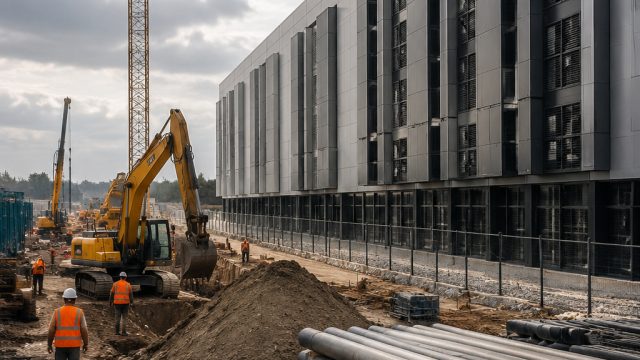
The surge in data centers across the United States is reshaping the construction landscape, leading to increased costs and heightened demand for labor. As industries increasingly rely on digital infrastructure, understanding the ramifications of this growth is crucial for stakeholders in the construction market.
The Current Landscape of Data Centers
Data centers have become pivotal in an era where digital transformation is accelerating. Major tech companies are investing heavily in these facilities to support cloud computing, artificial intelligence, and big data analytics. As a result, the number of data centers in the U.S. has surged, creating a ripple effect on the construction market.
Demand Surge
With businesses transitioning to online platforms, the demand for data centers is skyrocketing. This growth leads to several immediate effects on the construction industry:
Increased Project Volume: More facilities require more construction projects, leading to congestion in the market.
Rising Material Costs: As demand for construction materials rises, so do their prices, ultimately affecting project budgets.
Labor Shortages: The influx of data center projects exacerbates an already tight labor market, making it challenging to find skilled workers.
The Financial Implications
As construction costs rise, companies are forced to navigate various financial challenges. The increased expenditure impacts not only the construction firms but also the clients relying on these services.
Cost Breakdown
Understanding where costs are escalating is crucial for effective budgeting. Here are some key areas affected by the data center boom:
Labor Costs: Skilled labor is becoming increasingly expensive as demand outstrips supply.
Material Costs: Prices for key construction materials like steel and concrete have been on the rise due to increased demand.
Operational Costs: Additional costs associated with project management and logistics are increasing, further impacting the bottom line.
Strategic Responses to Market Changes
In light of these challenges, construction companies must adapt their strategies accordingly. Here are some effective approaches to mitigate the impact of rising costs:
Emphasizing Efficiency
Improving operational efficiency can help reduce costs significantly. Companies can consider:
Investing in Technology: Utilizing construction management software can streamline processes and improve project tracking.
Training Programs: Upskilling existing employees can alleviate skill shortages and minimize reliance on external labor.
Supply Chain Optimization: Building strong relationships with suppliers can lead to better pricing and more reliable material sourcing.
Exploring Financial Solutions
To cope with the rising costs, companies may also consider innovative financial solutions, such as:
Flexible Financing Options: Exploring loans or grants designed for construction can provide necessary liquidity.
Joint Ventures: Partnering with other firms can spread the financial burden and resource allocation.
Government Incentives: Researching local or federal incentives for green building or technological innovation can offset some costs.
Looking Ahead: The Future of Construction
The construction industry must evolve alongside the data center boom. As companies adapt to new challenges, several trends are likely to shape the future:
Increased Use of Modular Construction: This method can reduce labor costs and improve timelines.
Sustainability Focus: Eco-friendly construction practices will gain more traction as clients demand greener solutions.
Technological Integration: Continued integration of technology in construction processes will enhance efficiency and reduce costs.
Conclusion
The ongoing growth of data centers is undeniably reshaping the construction market in the U.S. While the current environment presents challenges, it also opens up new opportunities for innovation and efficiency. Stakeholders must remain informed and flexible, adapting to the evolving market demands to thrive in this competitive landscape.