

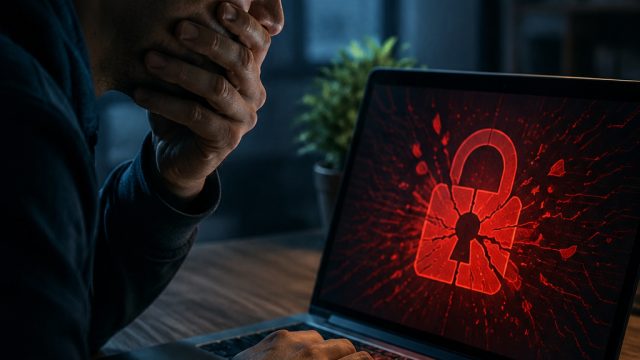
In a world where digital security is paramount, LastPass has once again found itself the subject of scrutiny due to a recent data breach. Although the company has assured users that no passwords were leaked, the exposed data could still pose significant risks to user accounts. Here’s what you need to know about the breach and how you can protect your sensitive information.
LastPass, a popular password management service, has confirmed that it experienced another breach, igniting concerns among its users. This incident highlights the ongoing challenges of cybersecurity in today's digital landscape. According to the company, while core passwords remained secure, other types of data were accessed. This included email addresses, password hints, and some account metadata.
The breach serves as a critical reminder for users to take their account security seriously and adopt proactive measures to mitigate potential risks.
In light of the recent breach, here are several practical steps you can take to enhance your LastPass account security:
Even though LastPass assures that passwords were not exposed, changing your master password should be your first line of defense. Choose a strong password that includes a mix of letters, numbers, and special characters. Avoid using easily guessable information.
Two-Factor Authentication (2FA) adds an extra layer of security to your account. This requires a second form of verification (such as a code sent to your phone) in addition to your password. Activating 2FA can significantly reduce the chances of unauthorized access.
Regularly check your account activity for any suspicious actions or logins from unrecognized devices. If you notice anything unusual, take immediate action to secure your account.
While LastPass provides a convenient way to manage passwords, diversifying your security measures is essential. Here are some additional strategies to keep your online data secure:
Never reuse passwords across different sites. If one account is compromised, others could be at risk. Use LastPass or another password manager to generate and store unique passwords for each account.
Knowledge is power. Stay updated on the latest cybersecurity threats and understand how they could affect you. Signing up for newsletters from reputable cybersecurity blogs can keep you informed.
If you're concerned about LastPass's security, explore other password management options that may better suit your needs. Always do your research and opt for services with a strong reputation for security.
The most recent breach at LastPass serves as a wake-up call for all digital users. While no passwords were compromised this time, the potential exposure of personal information should not be overlooked. By following the precautionary steps outlined above, you can significantly enhance your online security and protect your data from future breaches.
Remember, your online safety is paramount. Stay vigilant and informed to navigate the ever-evolving landscape of digital threats.